

Treatment-Resistant Depression
At Brainiac Behavioral Health, our treatment-resistant depression (TRD) services are designed to help individuals who continue to struggle with depression despite trying standard treatments. We understand that persistent depression can affect energy, motivation, concentration, and overall quality of life, which is why our providers take the time to carefully evaluate each patient’s history and develop personalized treatment plans.
Our team begins with a comprehensive psychiatric evaluation to better understand previous treatments, symptom patterns, and any underlying conditions that may be contributing to ongoing depression. This process helps ensure an accurate diagnosis and allows us to recommend evidence-based treatment options tailored to each patient’s needs.
Treatment for treatment-resistant depression may include medication optimization, supportive therapy, and advanced psychiatric treatments such as Transcranial Magnetic Stimulation (TMS) or Spravato (esketamine) when clinically appropriate. By addressing both the biological and psychological factors involved in depression, we aim to help patients regain stability, improve daily functioning, and restore a sense of hope.
Whether depression has persisted for months or years, our goal at Brainiac Behavioral Health is to provide compassionate, individualized care that supports meaningful recovery and long-term mental health.
“With the right diagnosis and personalized care, treatment-resistant depression can be treated, helping patients restore functioning, clarity, and hope for the future.”
What is Treatment-Resistant Depression?
Treatment-Resistant Depression (TRD) is a form of major depressive disorder that does not improve sufficiently after trying standard antidepressant treatments. It is typically defined as depression that persists despite at least two antidepressant medications being taken at adequate doses and for an appropriate duration.
Depression can affect mood, energy, sleep, concentration, and motivation. When symptoms continue despite treatment, individuals may experience ongoing fatigue, difficulty concentrating, loss of interest in activities, sleep disturbances, or feelings of hopelessness that interfere with work, relationships, and daily life.
While many people respond to initial depression treatments, others may require a more specialized and personalized approach. Treatment-resistant depression does not mean someone is out of options—it simply means that the condition may require a deeper evaluation and a different treatment strategy.
At Brainiac Behavioral Health, we provide comprehensive psychiatric evaluations for individuals struggling with persistent depression. Our providers develop individualized treatment plans that may include medication optimization, supportive therapy, and advanced treatments such as Transcranial Magnetic Stimulation (TMS) or Spravato (esketamine) when appropriate. Our goal is to help patients regain stability, improve daily functioning, and restore hope for the future.

How Can Treatment-Resistant Depression Impact Your Life?
Treatment-resistant depression can affect many areas of daily life, including work, relationships, and overall well-being. When depression symptoms persist despite treatment, individuals may continue to struggle with low energy, difficulty concentrating, disrupted sleep, and a loss of interest in activities they once enjoyed. These ongoing symptoms can make it difficult to stay productive, maintain routines, or keep up with personal and professional responsibilities.
Beyond daily functioning, treatment-resistant depression can also impact emotional health and relationships. Persistent symptoms may lead to feelings of frustration, isolation, or discouragement, especially when previous treatments have not provided enough relief. Over time, ongoing depression can affect confidence, motivation, and a person’s sense of hope about the future.
The good news is that treatment-resistant depression is still treatable. With a comprehensive psychiatric evaluation and a personalized treatment plan, many individuals are able to find new strategies that improve symptoms and restore functioning. At Brainiac Behavioral Health, we provide specialized care for treatment-resistant depression, including medication management and advanced treatment options such as Transcranial Magnetic Stimulation (TMS) and Spravato (esketamine) when appropriate. Our goal is to help patients regain stability, improve quality of life, and move forward with renewed hope.
Transcranial Magnetic Stimulation (TMS)
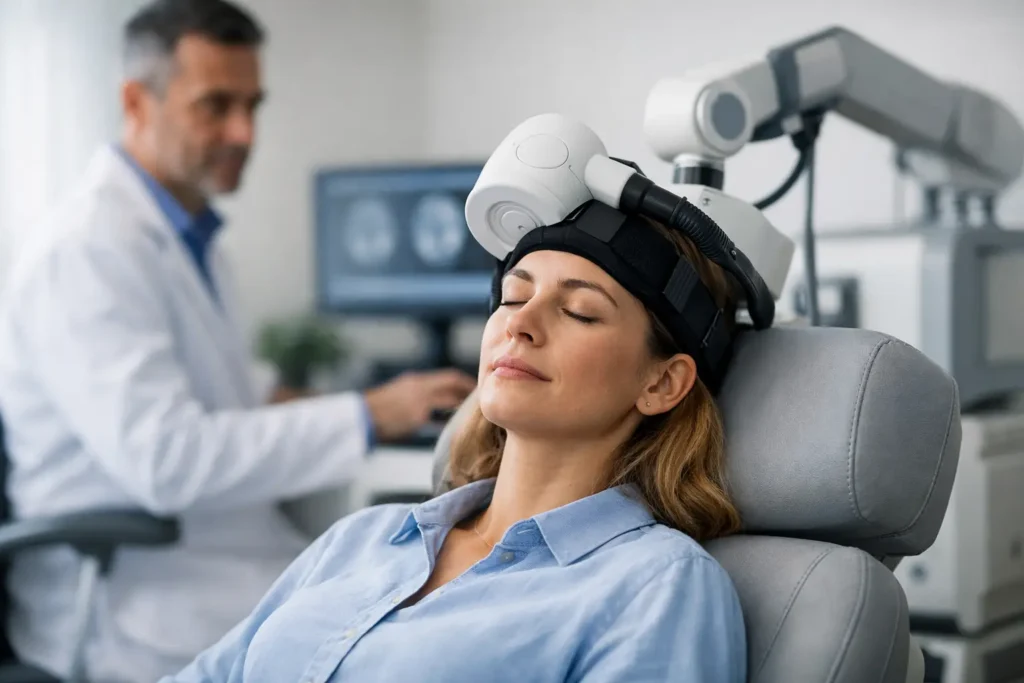
TMS therapy is an FDA-cleared, noninvasive treatment that can be highly effective for individuals with treatment-resistant depression (TRD) who have not found sufficient relief from antidepressant medications. TMS uses targeted magnetic pulses to stimulate specific areas of the brain involved in mood regulation, helping to improve communication between brain regions that may be underactive in depression. Unlike medication, TMS works directly on brain activity and does not involve systemic side effects such as weight gain, sexual dysfunction, or gastrointestinal problems. Treatment is typically performed in a series of outpatient sessions, allowing patients to return to their normal daily activities afterward. For many individuals with persistent depression, TMS therapy offers a promising option to reduce symptoms, improve mood, and restore daily functioning when traditional treatments have not been enough.
Spravato® (esketamine)
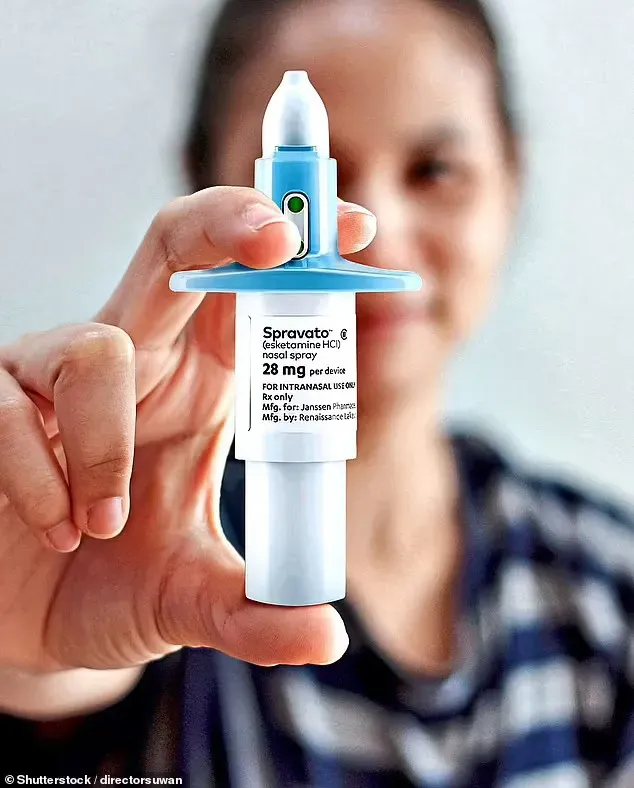
Spravato® (esketamine) is an FDA-approved prescription medication used to treat adults with treatment-resistant depression (TRD) who have not experienced adequate improvement with traditional antidepressant medications. Unlike standard antidepressants that primarily target serotonin or other neurotransmitters, Spravato works through a different pathway in the brain, helping restore connections between brain cells involved in mood regulation.
Spravato is administered as a nasal spray in a certified medical setting under the supervision of trained healthcare professionals. Because the medication can affect perception and alertness for a short period of time, patients remain in the clinic for monitoring after each treatment session. The treatment schedule typically begins with more frequent visits and gradually decreases as symptoms improve.
For many individuals with persistent or treatment-resistant depression, Spravato can provide meaningful relief when other treatments have not been effective. Some patients begin to notice improvements in mood, energy, and overall functioning within weeks of starting treatment.
At Brainiac Behavioral Health, Spravato therapy is provided as part of a comprehensive depression treatment plan. Our providers conduct a careful psychiatric evaluation to determine whether Spravato is appropriate and monitor progress throughout treatment. By combining Spravato therapy with medication management and supportive care, we help patients move toward greater stability, improved daily functioning, and renewed hope.
Book an appointment today
Treatment-Resistant Depression FAQ
Q: What is treatment-resistant depression (TRD)?
A: Treatment-resistant depression (TRD) refers to depression that does not improve sufficiently after trying at least two different antidepressant medications at appropriate doses and for an adequate length of time. TRD does not mean depression is untreatable—it means a more specialized treatment approach may be needed.
Q: How common is treatment-resistant depression?
A: Treatment-resistant depression is more common than many people realize. Studies suggest that about 30% of individuals with major depressive disorder do not experience full relief from their first treatments and may require additional or advanced treatment options.
Q: Why does depression sometimes not respond to medication?
A: Depression may not respond to treatment for several reasons, including underlying medical conditions, misdiagnosis, medication intolerance, genetic differences in how medications are processed, or co-occurring mental health conditions such as anxiety, ADHD, or bipolar disorder. A comprehensive psychiatric evaluation can help identify these factors.
Q: How is treatment-resistant depression diagnosed?
A: TRD is diagnosed through a careful review of a patient’s symptoms, treatment history, and response to previous medications. A psychiatrist will evaluate which medications were tried, how long they were taken, and whether other medical or mental health conditions may be contributing to ongoing depression symptoms.
Q: What treatments are available for treatment-resistant depression?
A: Treatment for TRD may include medication adjustments, combination therapy, psychotherapy, and advanced treatments such as Transcranial Magnetic Stimulation (TMS) or Spravato (esketamine). A personalized treatment plan is created based on the patient’s symptoms and treatment history.
Q: Can treatment-resistant depression still be treated?
A: Yes. Even when depression has not responded to initial treatments, many patients improve with specialized care. Advances in psychiatric treatments, including TMS therapy and Spravato, have expanded options for individuals living with persistent depression.
Q: When should someone seek help for treatment-resistant depression?
A: If depression symptoms continue despite trying multiple medications or therapy, it may be helpful to seek a more comprehensive psychiatric evaluation. Persistent symptoms that interfere with work, relationships, or daily functioning are important reasons to explore additional treatment options.
Q: Is treatment-resistant depression permanent?
A: No. While TRD can be challenging, many individuals experience meaningful improvement once the right treatment approach is identified. With personalized care and evidence-based treatments, it is possible to reduce symptoms and improve quality of life.